What to Wear to a Boudoir Session (the Short Answer: Whatever Makes You Feel Good)
This is the question I get asked more than any other. More than “will you see me naked?” and more than “what if I don’t know how to pose?” The wardrobe question comes first, usually within the first three texts.
Here’s the honest answer: there is no wrong outfit for a boudoir session. I’ve photographed women in $200 lingerie sets and in their partner’s old flannel shirt. Both looked incredible. The thing that makes an outfit work isn’t the price tag or the brand. It’s whether you feel like yourself in it, or like the version of yourself you want to see in these photos.
That said, after 15 years of shooting boudoir, I have opinions. Here’s what I know works.
Classic Boudoir Outfits
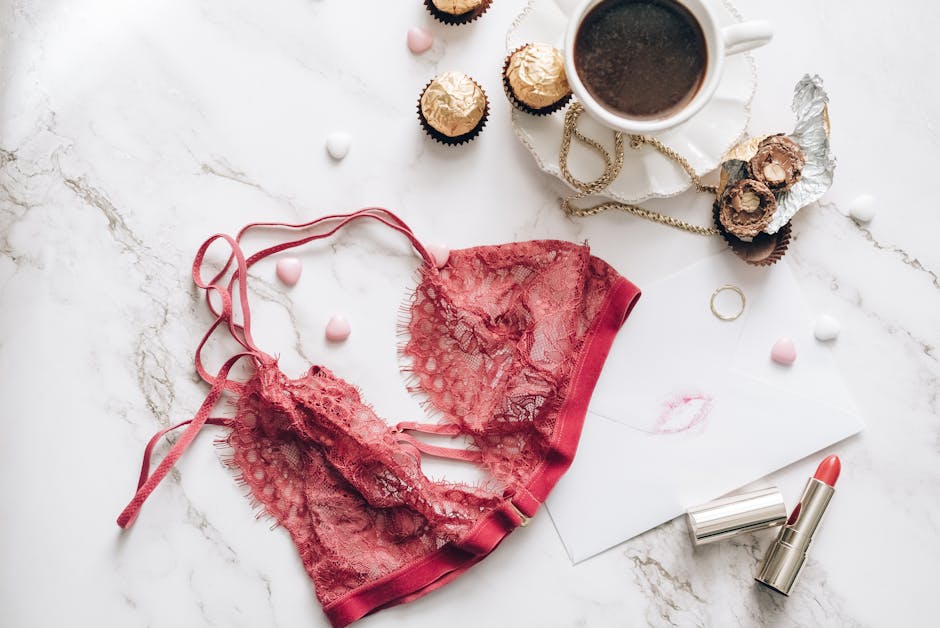
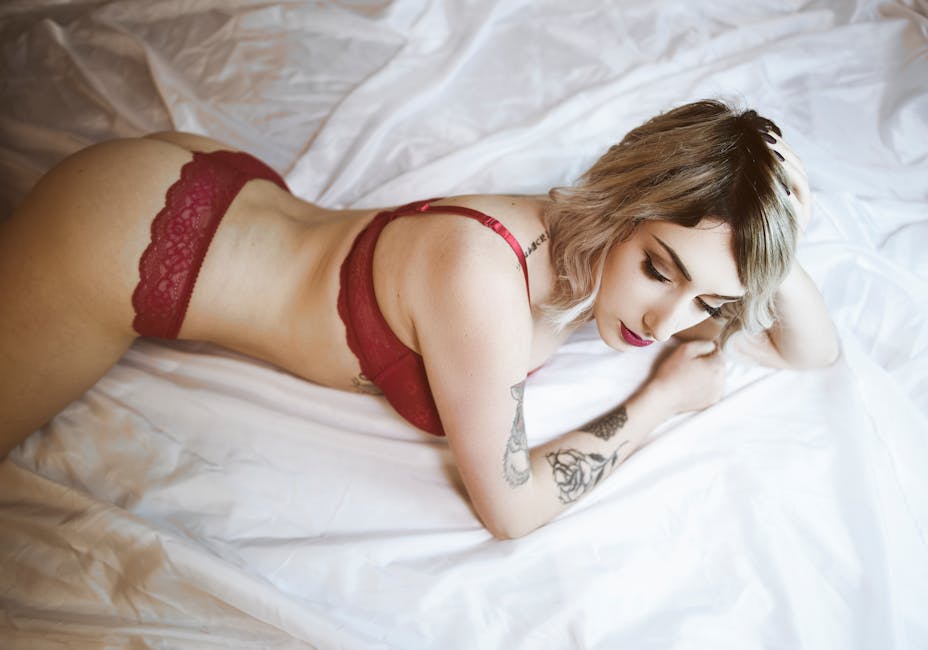
Lingerie is the obvious starting point, and it’s popular for a reason. A well-fitted bra and underwear set gives structure to the frame and creates clean lines that photograph well. Bodysuits are even better for a lot of people because they smooth everything into one piece and look good from every angle. Corsets and bustiers add drama, and they cinch the waist in a way that most clients love when they see the final images.
If you’re buying something new, try it on at home first. Walk around in it. Sit in it. Lie down. If it rides up, digs in, or makes you fidget, it’s going to do the same thing during the session, and I’ll see it in every frame.
Beyond Lingerie
Some of my favorite images have nothing to do with lingerie. An oversized white button-down shirt, unbuttoned, with nothing underneath. A pair of jeans, unzipped, shot from behind. A bedsheet wrapped loosely around the body, held in place by one hand.
And then there’s the option of wearing nothing at all. About half of my clients end up shooting at least a few frames fully nude, even if they didn’t plan on it. By the middle of the session, the nerves have settled and the confidence is up. I never push this. It happens naturally when someone feels safe. The images are always the ones they’re most proud of afterward. You can read more about how sessions typically unfold on my experience page.
How Many Outfits Should I Bring?
Three to five is the sweet spot. That gives us enough variety without eating up session time on outfit changes. I usually recommend:
- One classic lingerie set (your “safe” choice)
- One bodysuit or one-piece
- One “non-lingerie” option (shirt, jeans, robe, nothing)
- One wild card (something fun, something bold, something you wouldn’t normally wear)
If you’re stuck deciding, bring more than you think you’ll need and I’ll help you narrow it down on the day. I’ve been doing this long enough to know which pieces will photograph best in whatever space we’re shooting in.
Colors That Photograph Well
Black is always a safe bet. It works on every skin tone, it reads well against white hotel sheets or dark headboards, and it hides any fit issues. White and cream photograph beautifully against darker skin and in rooms with lots of natural light.
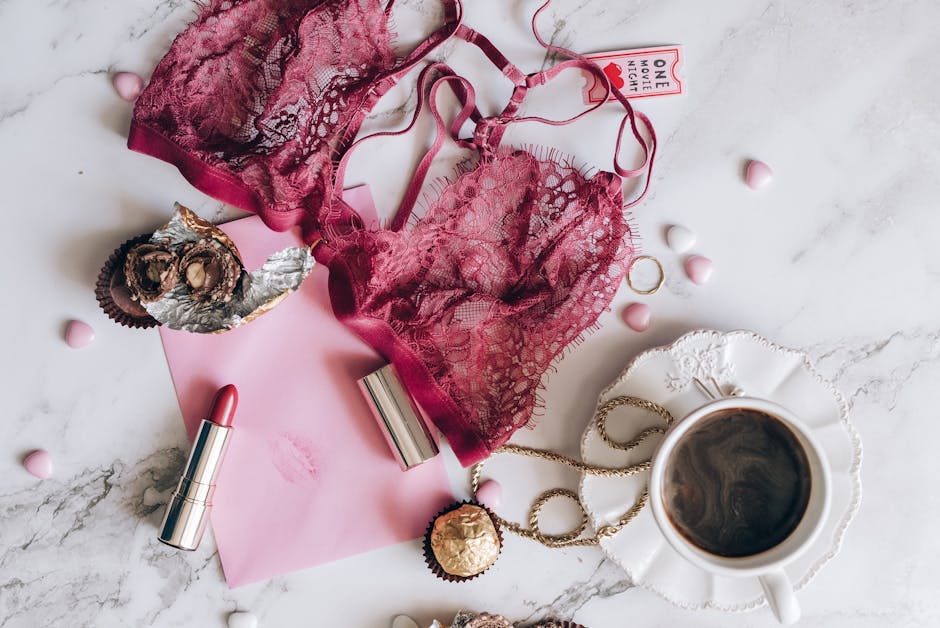
Red is bold and looks fantastic, but go with a true red rather than orange-red or pink-red. Jewel tones (emerald, sapphire, burgundy) are underrated and look especially rich on film. I shoot a lot with my vintage cameras, and deep colors respond well to Kodak Portra’s warm rendering.
Avoid neon colors and busy patterns. Neon pulls focus from your face and body. Patterns can create visual noise that competes with the composition. Simple, solid colors let you be the subject.
What About Shoes?
Heels do something for posture that nothing else replicates. They shift your weight forward, lengthen your legs, and change the way you hold your body. You don’t have to walk in them. Most of the time, you’re lying down or sitting. But for standing shots, a pair of heels (even ones you’d never wear outside) makes a noticeable difference.
Bare feet work too, especially for more relaxed, intimate shots. I’d say about 60% of the images from most sessions are barefoot.
What NOT to Wear
New bras you haven’t broken in. Elastic leaves red marks on your skin that take 20-30 minutes to fade. If you’re wearing a new bra, put it on at least an hour before the session, then take it off when you arrive. By the time we start shooting, the marks will be gone.
Anything uncomfortable. If you’re tugging at it, adjusting it, or thinking about it, that tension shows up in your face and your posture. Comfort and confidence are connected. Wear things that feel good on your body.
Socks. Just trust me on this one.
Anything that leaves marks. Beyond bras, watch out for tight waistbands, underwire that digs in, and strappy pieces that cut into skin. If something is going to leave imprints, wear it loosely on the drive over and take it off at least 30 minutes before we start shooting. Marks on the ribcage and shoulders are the hardest to retouch and the easiest to prevent.
Heavy jewelry. A simple necklace or bracelet is fine. Chunky statement pieces pull attention away from you and create visual clutter. Less is almost always more.
I cover all of this and more in my prep guide, which I send to every client before their session. It walks through wardrobe, skincare, what to eat, and how to prepare mentally so you show up feeling ready.
If you’re still not sure what to bring, reach out and we’ll figure it out together. I’m happy to review outfit photos over text before the session. Most of my clients send me mirror selfies of their options the week before, and I give honest feedback on what will work best.
Some images on this page are stock photography by Pexels photographers. All session images are original F64 work.